Titan 4 Casing
- role
- Product Designer
- skills
- Industrial Design
Product Experience
Project Management - with
- Devin Toth
Mike Sperling
Mark Higuera
Paul Passiales
Saving $160,000 a year
The redesigned Titan 4 cases saved over $160,000 a year, with an estimated 200+ systems sold per quarter. It also earned Devin Toth and me enough recognition that we were asked to design cases for several other products.
Not breaking big things
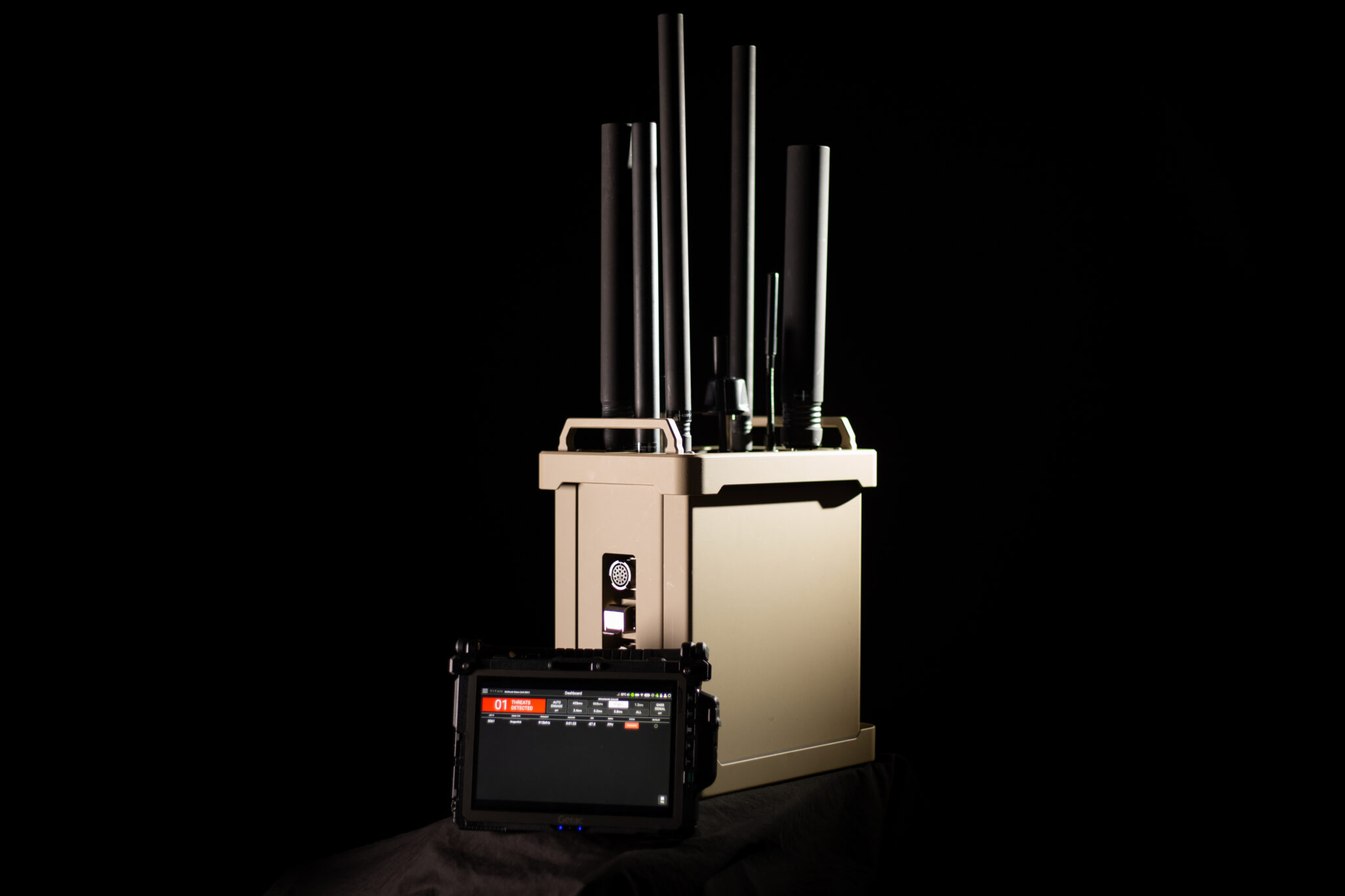
AV's Titan C-UAS™ is an autonomous drone detection and defense system that uses artificial intelligence (AI) to detect and safely neutralize aerial threats without causing harm. Titan 4, AV's latest release, added expanded capabilities and accessories, which meant the system needed new transport cases.
This was the first time design was asked to lead the system cases end to end, work projected to generate millions in sales. The brief was to design intuitive, mission-ready cases that let warfighters deploy the system in under 10 minutes, each case under 70 pounds to meet military transport standards.
Stakeholders initially wanted a single case, but early weight breakdowns showed it would exceed safe handling limits, so we pivoted to a modular, multi-case approach. As the only team member with CAD (computer-aided design) experience, I led the foam layout and drawing work, collaborating closely with Devin to optimize the case architecture. The previous Titan 3 cases cost $410 each, about $820 total, and our design had to hit cost, weight, and usability benchmarks while supporting mission-critical use across multiple defense operations.
Where it began
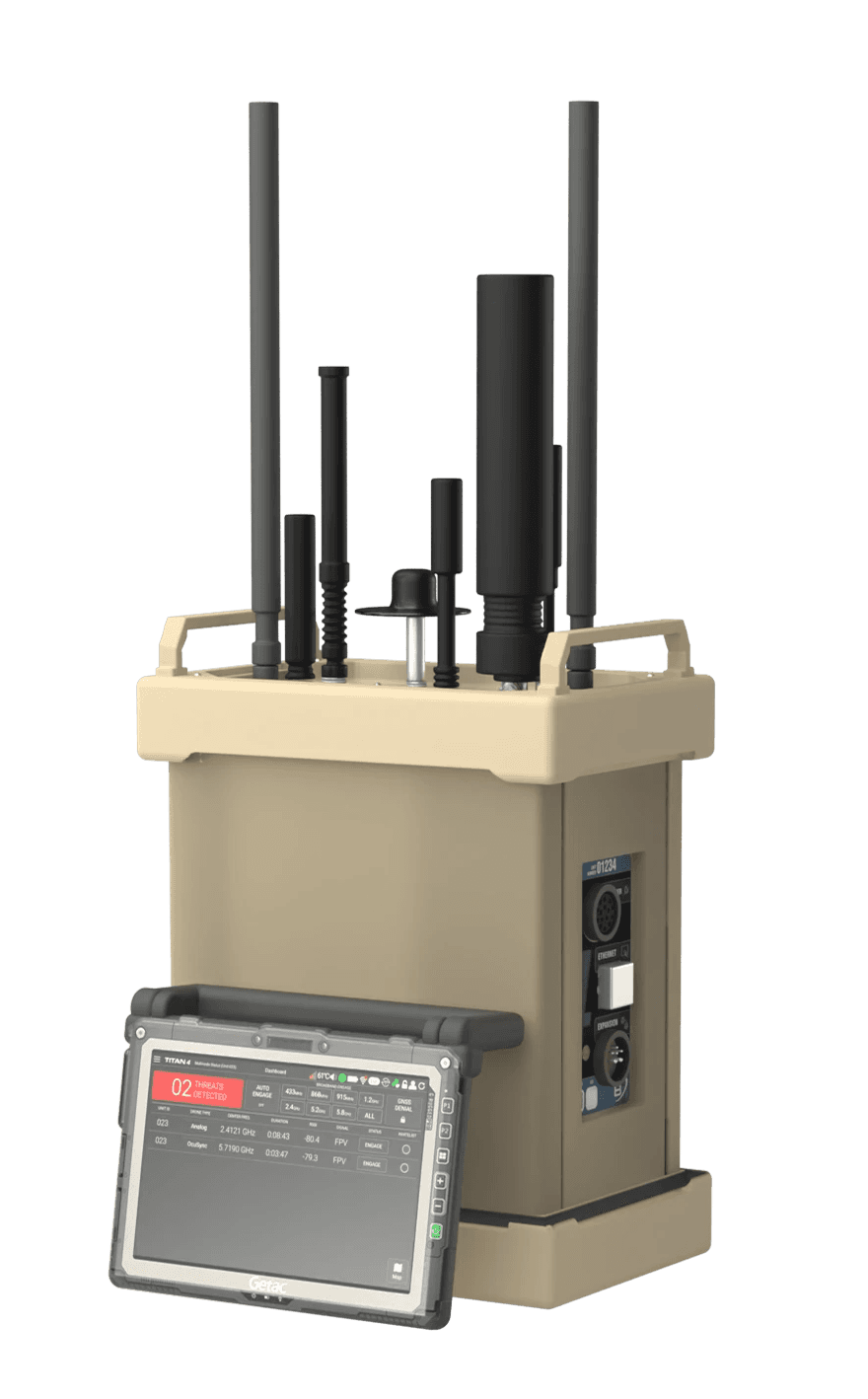
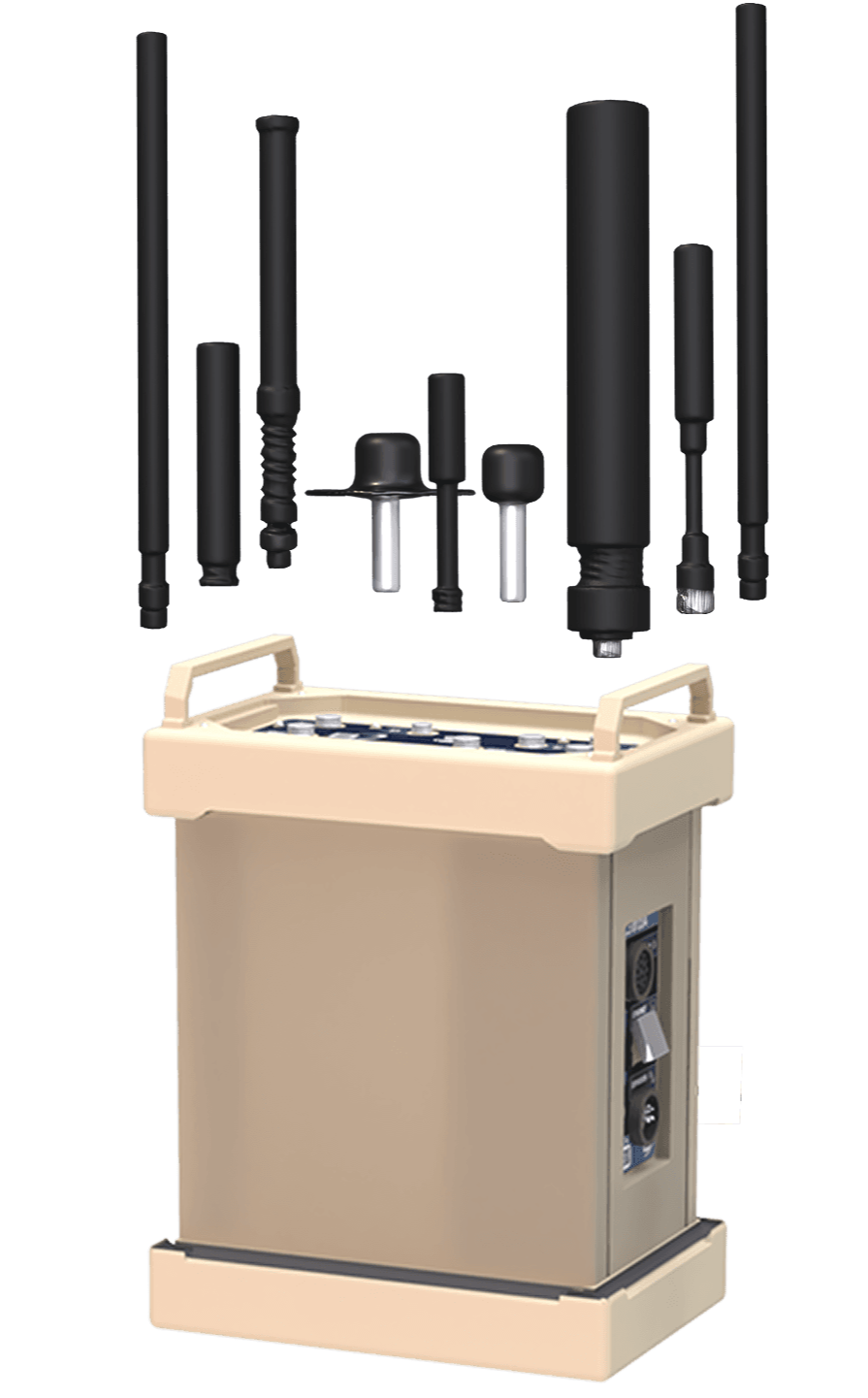
After early sketches, we decided to split components across two cases to support the main unit's weight. Case #1 held the Titan unit and its tablet, and Case #2 held the accessories.
Integrating one large, heavy accessory into the second case forced us to re-optimize weight distribution. Looking at the user data, I found that only one user group consistently used that accessory, so I advocated for decoupling it from the base product and selling it as an add-on, which would simplify the core experience and open a new revenue stream through its own pricing. Stakeholders denied that, so it stayed in the case.
Thinking outside the box
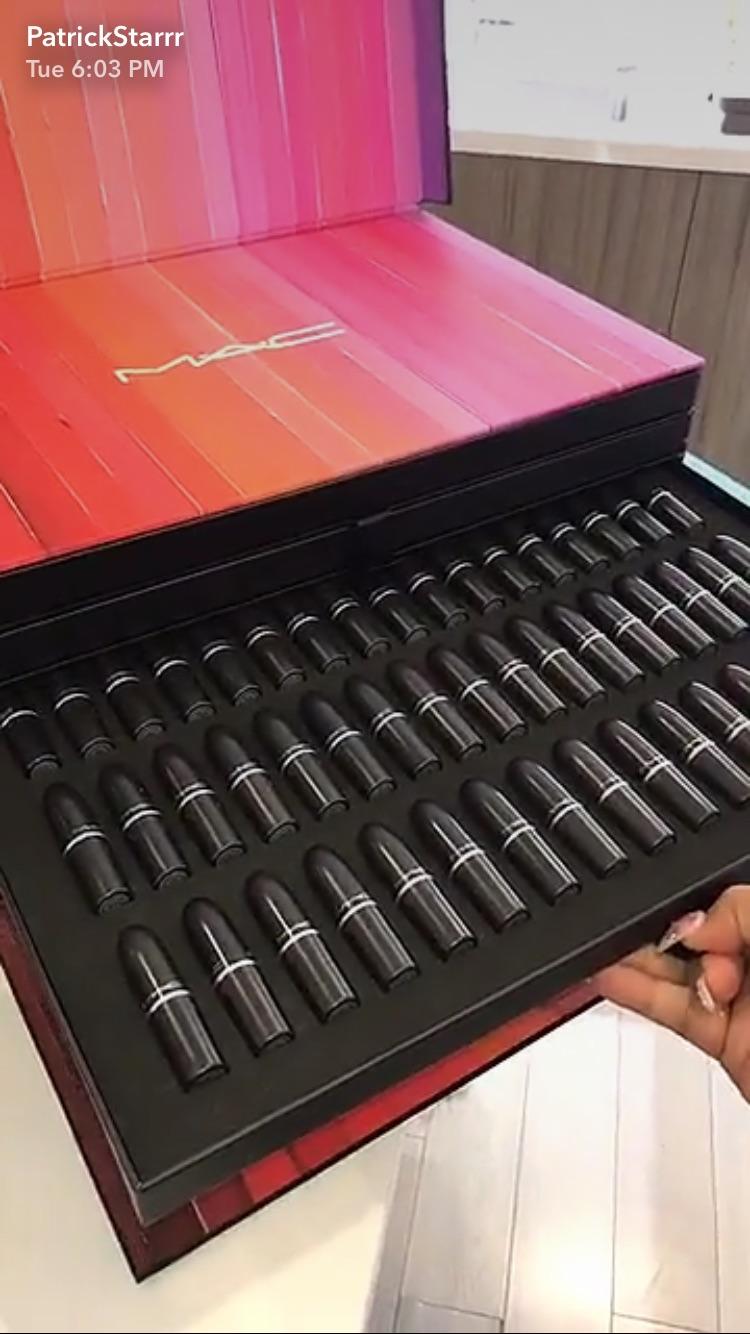
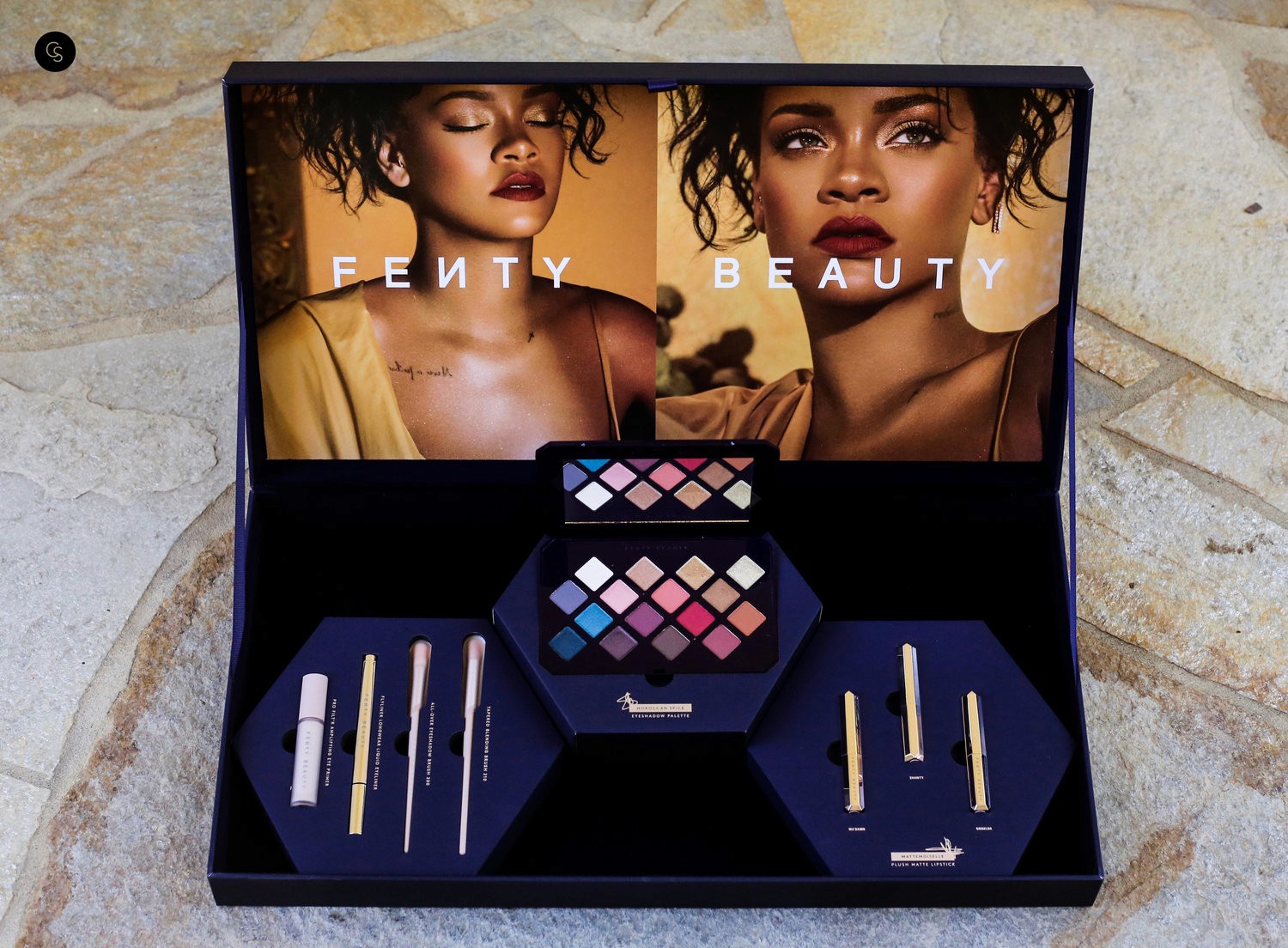
I'd never designed a case like this before, so I started by researching techniques across other industries. I thought of the makeup industry, how beauty brands design PR packaging for influencers and celebrities, consistently prioritizing stability for delicate items while still delivering a fast, seamless unboxing experience and creative touches for accessibility. I wanted that same balance of protection and delight in my own approach.

Devin and I also talked with the mechanical engineers and the Head of Engineering to understand the structural requirements, and with the business development (BD) team to understand user behavior.
Three things
- Protect the power supply from impact
Dense foam around the power unit keeps it secure even if the case is dropped or flipped.
- Account for wear and user-induced stress
Users tend to force parts into place under time pressure, so the foam needs to resist tearing under rough handling.
- Keep the foam geometry simple
Complex cuts create structural weak points. A simpler, more unified design better withstands repeated use without degrading.
Decisions from real use
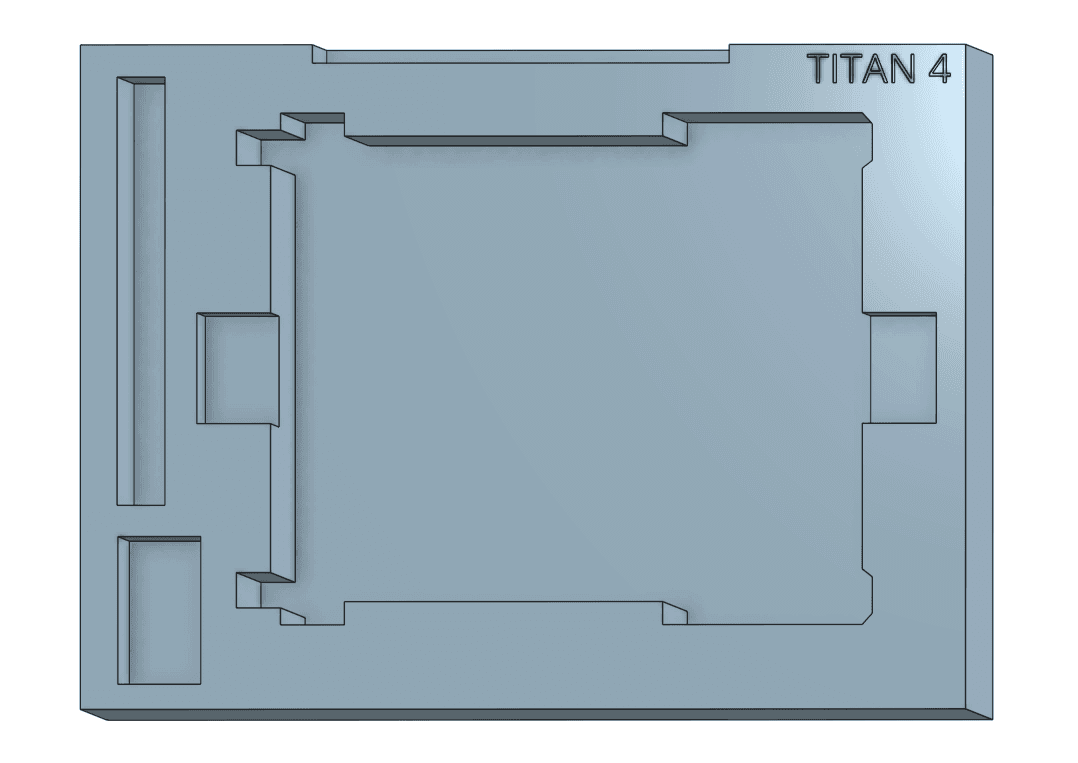
I mapped out rough component cavities from early size estimates and layout needs, then compressed the design through iteration into a much smaller case than we'd originally expected, cutting that case's material costs by over $200 and minimizing wasted space. I also added a lift-assist feature to help users remove the system more easily, closing a usability gap in the legacy design.
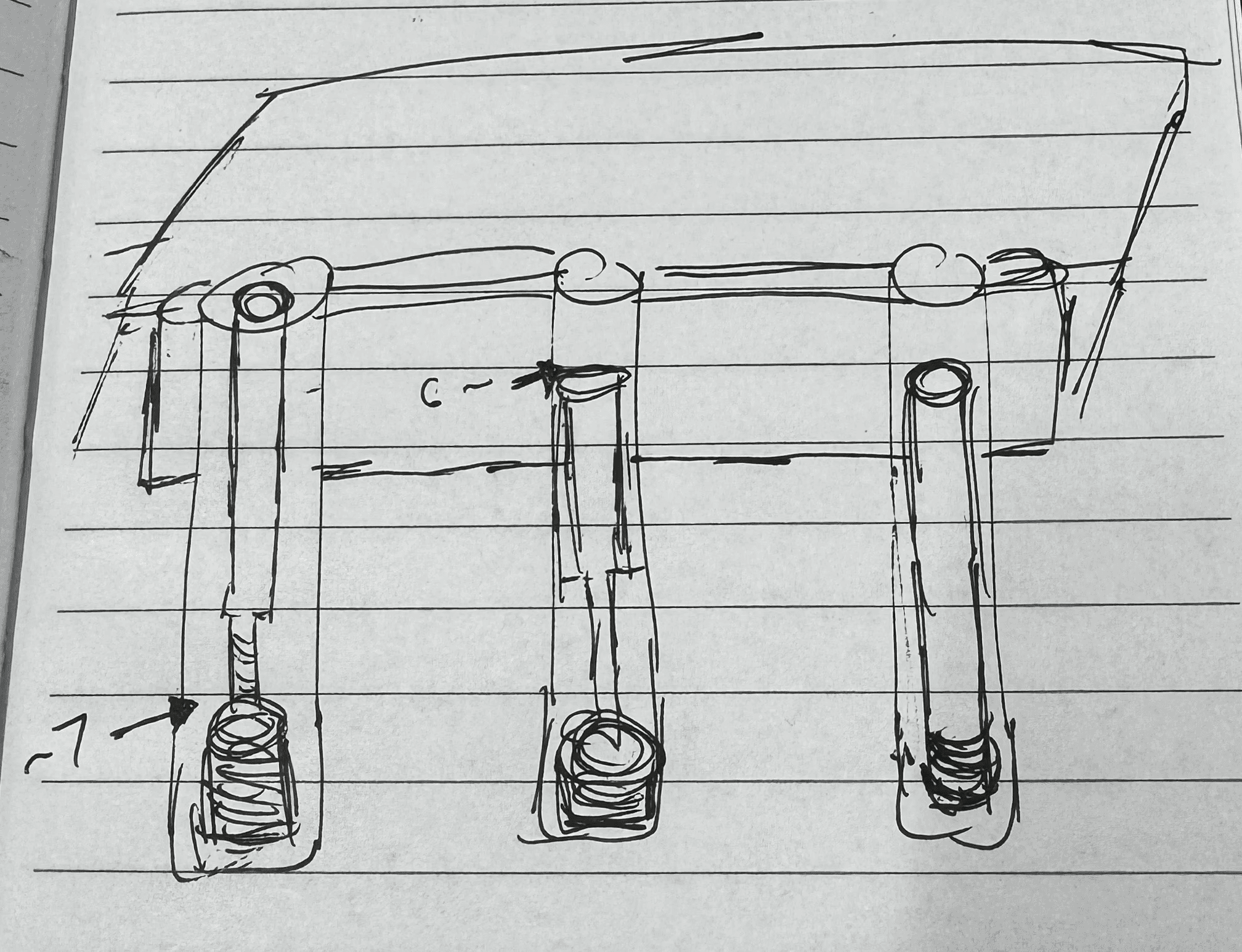
For the second case, stakeholders wanted the antenna elements to stay easily accessible at the surface, which made integrating a bulky adapter accessory without hurting layout or usability one of the bigger challenges. We hypothesized a hidden solution, tucking the adapter beneath the other components in a discreet canal, and Devin mocked up a prototype with a makeshift box to test fit and feasibility. Hands-on testing surfaced a real issue though. The cord's limited bend radius caused it to unravel inside the cavity, making it awkward to retrieve and risking foam damage when users pulled on it. We needed a different approach.
When ideas took shape
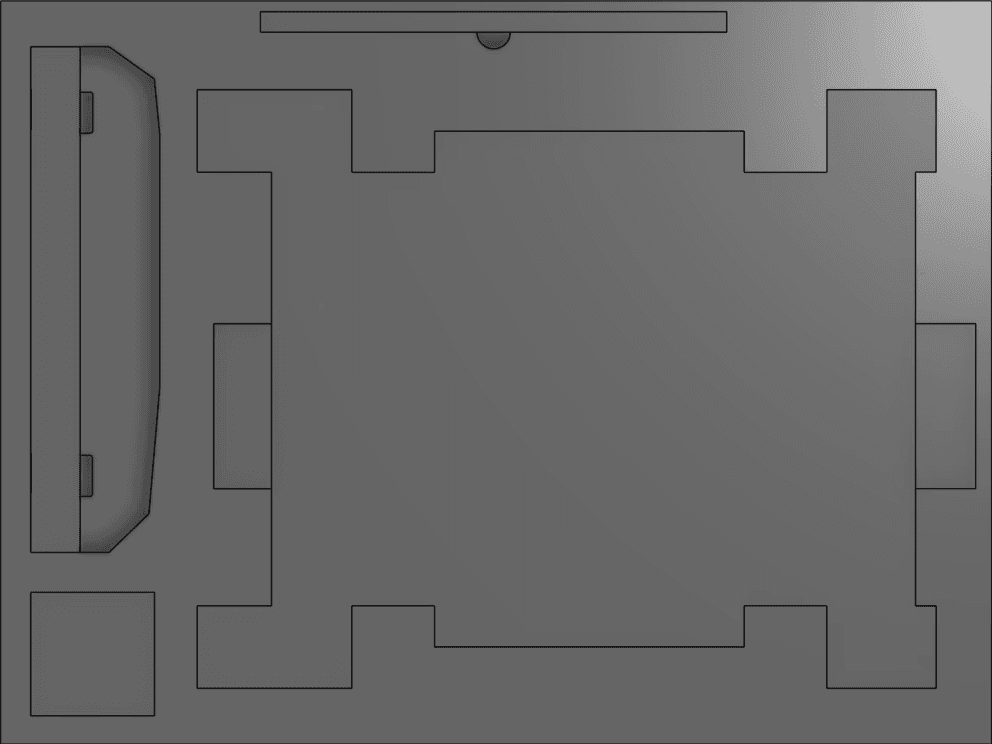
I introduced subtle branding elements and quality-of-life improvements to the first case, including a finger notch for easier access to user materials, an idea from Devin, and an adjusted tablet cavity that let the tablet's handle sit flush with the case surface, making it quicker and more intuitive to grab.
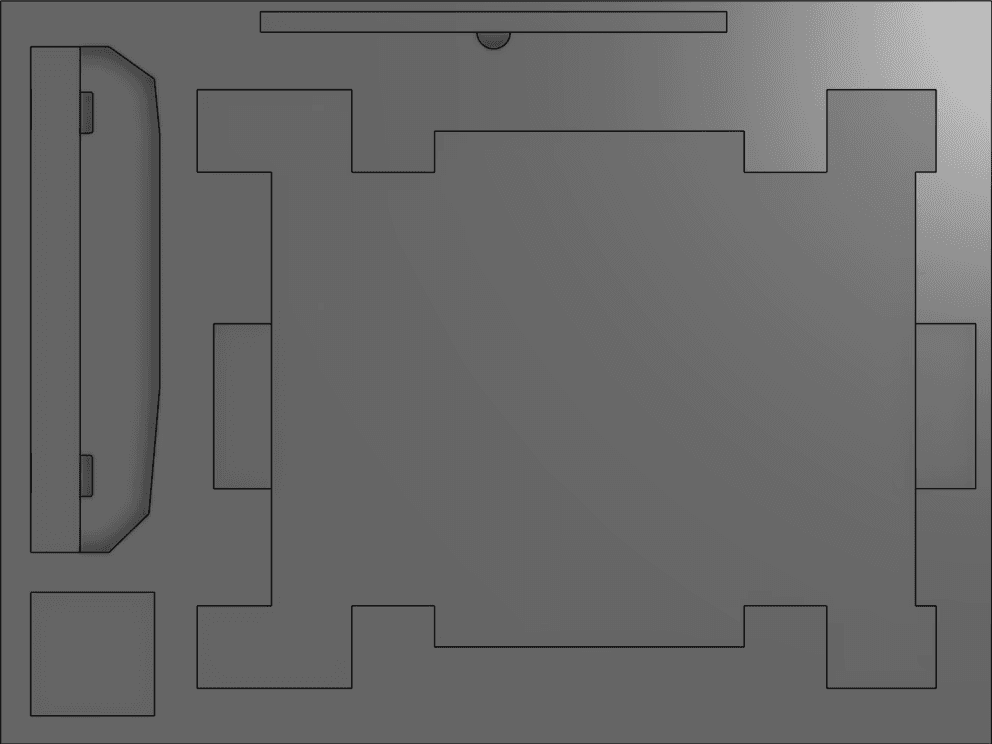
The second case was harder. Many components were still in flux and exact antenna dimensions weren't available yet, since leadership was still finalizing accessory decisions, so this phase was a lot of trial and error. Working with the Head of Engineering, we introduced an antenna cabinet concept that consolidated all the antennas into one dedicated zone, which freed up space to give the bulky adapter its own optimized cavity. From there, we placed our first test case order.
Cutting foam the hard way
The first test items showed promise but needed refinement. With a week left, Devin and I did hands-on prototyping ourselves, using a foam cutter to shape supports that held each component in place. Testing, especially on the second case, surfaced a few issues. The finger holds we'd added to help lift the antennas felt off-brand and a little awkward, and a few antennas had changed in width and no longer fit correctly.
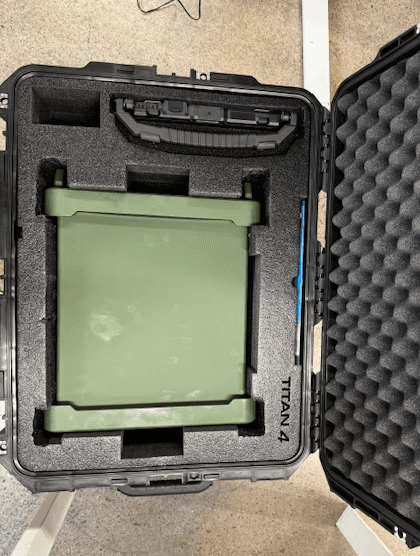
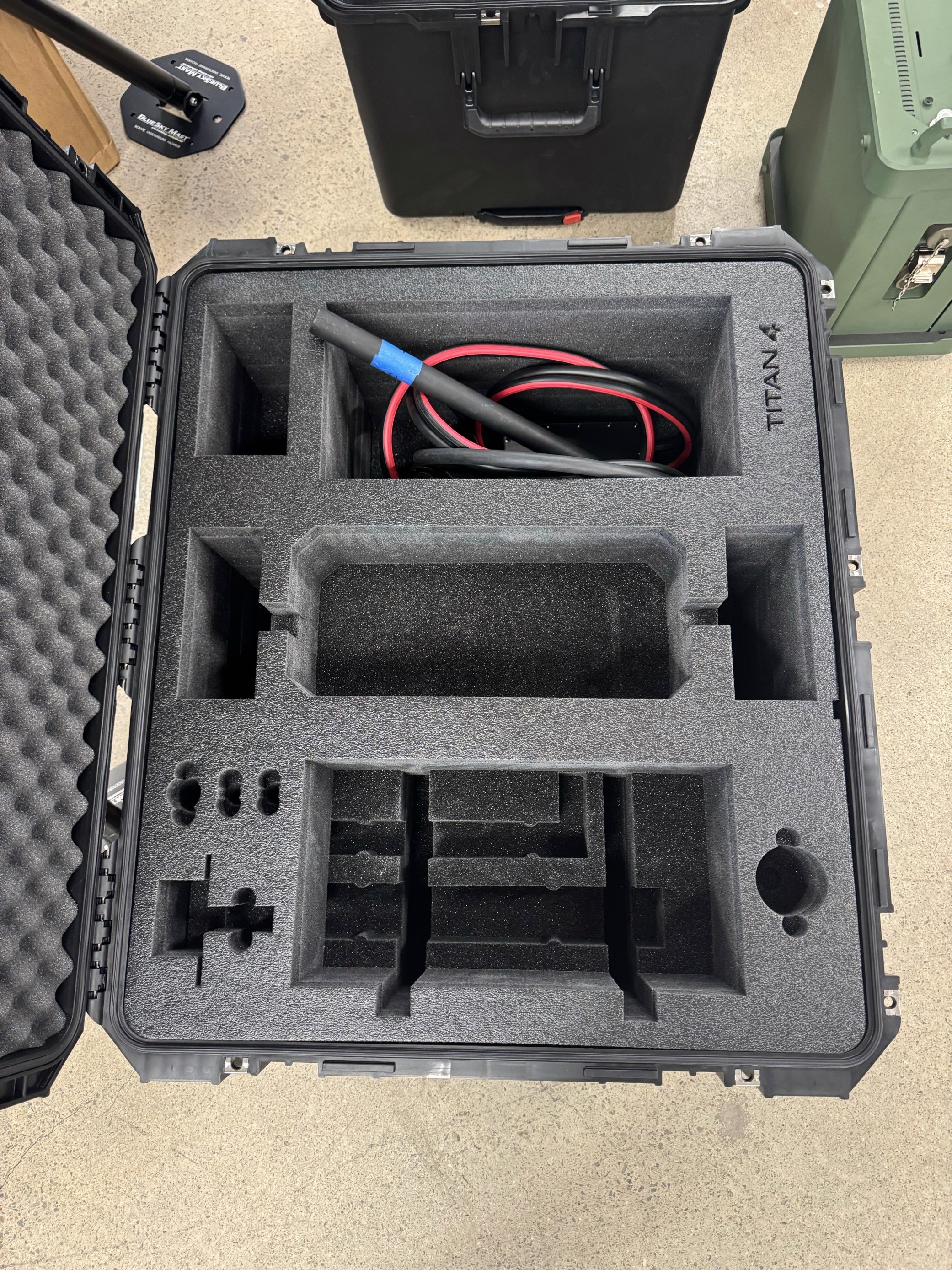
With Case #1 nearly finalized, needing only minor adjustments, we turned our focus to Case #2. Stakeholders wanted a much smaller footprint, noting Case #1 was already close to half the size, and business development added a new requirement, that all antennas sit on the same tray-like surface level. That feedback meant removing the antenna cabinet entirely. It had been spatially efficient, but it wasn't functional in practice, so our priorities shifted from optimizing for intuitive workflows to maximizing space efficiency while still keeping assembly fast and reliable within tighter constraints.
Rethinking Case #2
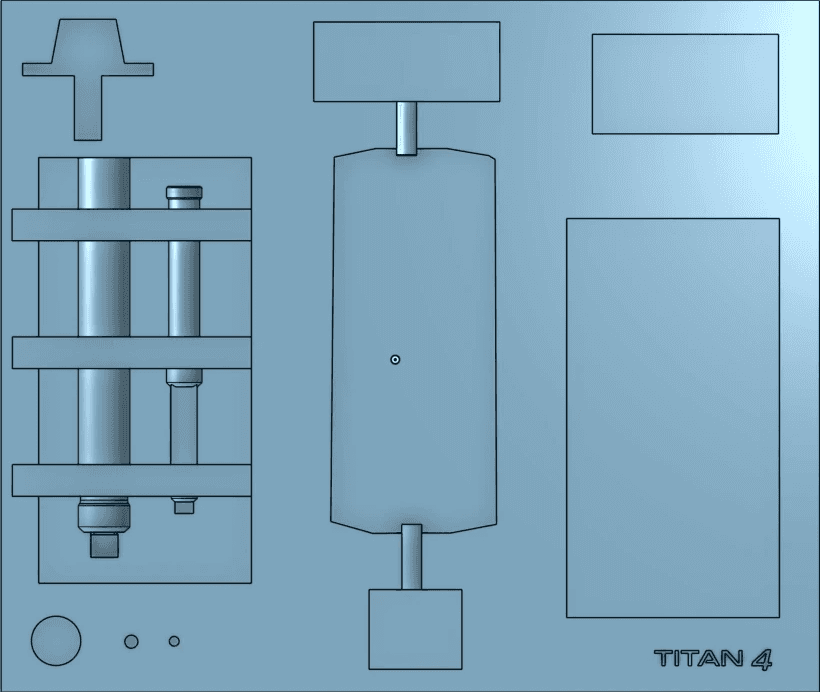
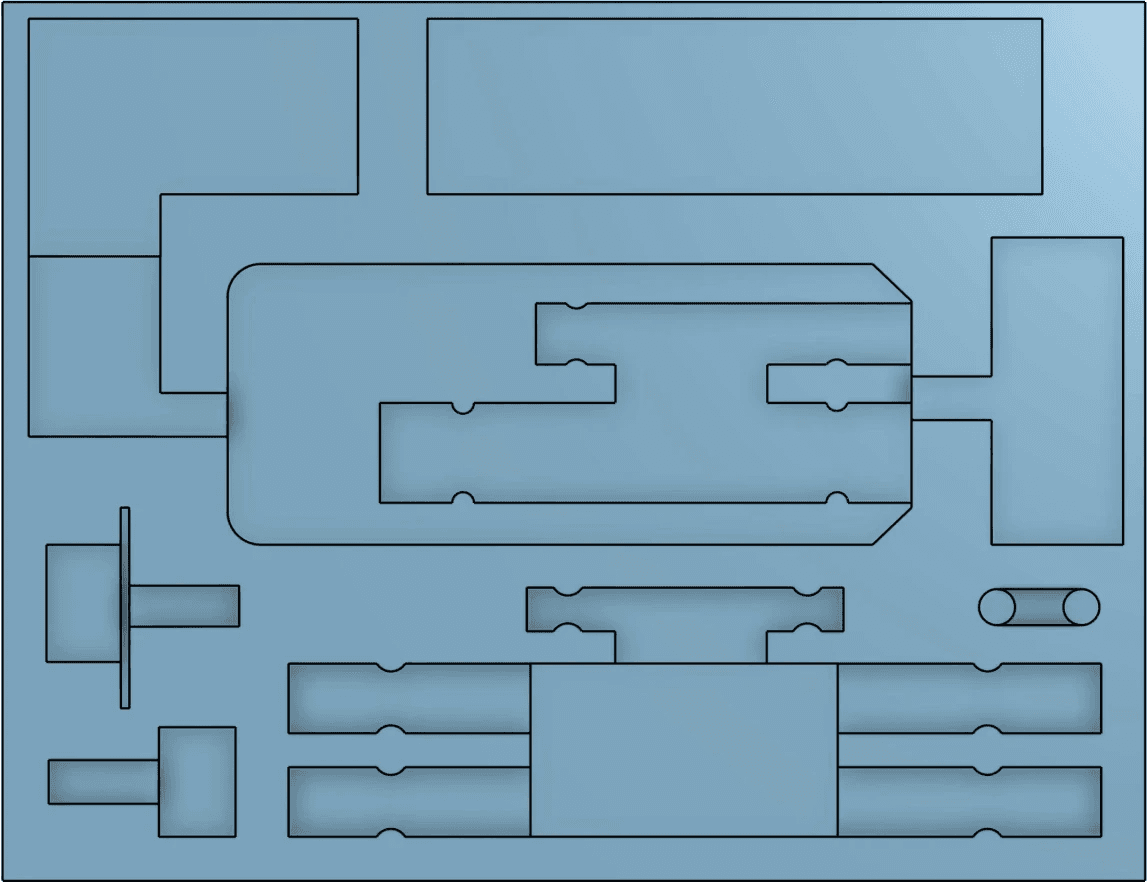
With Case #2 open for rework, we took the chance to rethink both its layout and functionality. The key move was placing the heavier antennas beneath the power supply, the heaviest component in the case. That introduced some negative space on the left, but let us shrink the case's overall size.
We ordered a new batch of test cases to validate the component placement, and testing surfaced two issues, uncertainty around where the smaller antennas should sit, and unexpected difficulty lifting some of them.
I proposed reformatting the cavities for all the smaller antennas to matching diameters, so they could fit interchangeably in any slot. That simplified manufacturing and also made the antennas easier to access, reducing setup friction.
What's going on now?
The redesigned cases are now in production for the first batch of Titan 4 systems. During the final design phase, the company was acquired, and branding work paused to make sure everything stayed aligned long term, which mattered since the case design is meant to stay unchanged for the foreseeable future.
One late decision also shaped the outcome. Stakeholders chose to sell the adapter accessory separately after all, so I filled its cavity with removable foam, letting users convert the space for accessory storage if they buy the adapter later. Getting to work through this much product and industrial design end to end, and building in as much accessibility as we did, was a huge opportunity.
Not now, but not never
Sometimes a team doesn't have the time or budget to invest in something that could genuinely help right away, and it's on you to communicate the potential value anyway and align everyone around a shared direction for when the timing is right. I advocated for decoupling the adapter accessory into its own case, and that's exactly what ended up happening. It's now sold as its own standalone unit instead of bundled into Case #2.